
Certified Pilates Teacher Guide: Steps to Becoming a Pilates Teacher
If you’ve ever felt the joy of moving your body with grace and strength, you might be wondering how to share that experience with others. Becoming a Pilates teacher is a wonderful way to do just that. It’s a journey filled with learning, growth, and the chance to inspire people to move better and feel better every day. Whether you’re passionate about matwork, reformer classes, or rehabilitation exercises, this guide will walk you through the essential steps to becoming a certified Pilates instructor.
What does it mean to be a certified Pilates teacher?
Before diving into the steps, let’s take a moment to understand what being a certified Pilates teacher really means. It’s more than just knowing the exercises. It’s about mastering the principles of Pilates, understanding anatomy, and learning how to teach safely and effectively. Certification shows that you have met professional standards and are ready to guide others on their movement journey.
Being certified it a range of qualifications also means you can teach a variety of Pilates styles, from Matwork to equipment-based classes like Reformer and Tower sessions. This versatility is key to helping clients with different needs, including those seeking rehabilitation or chair-based exercise options.
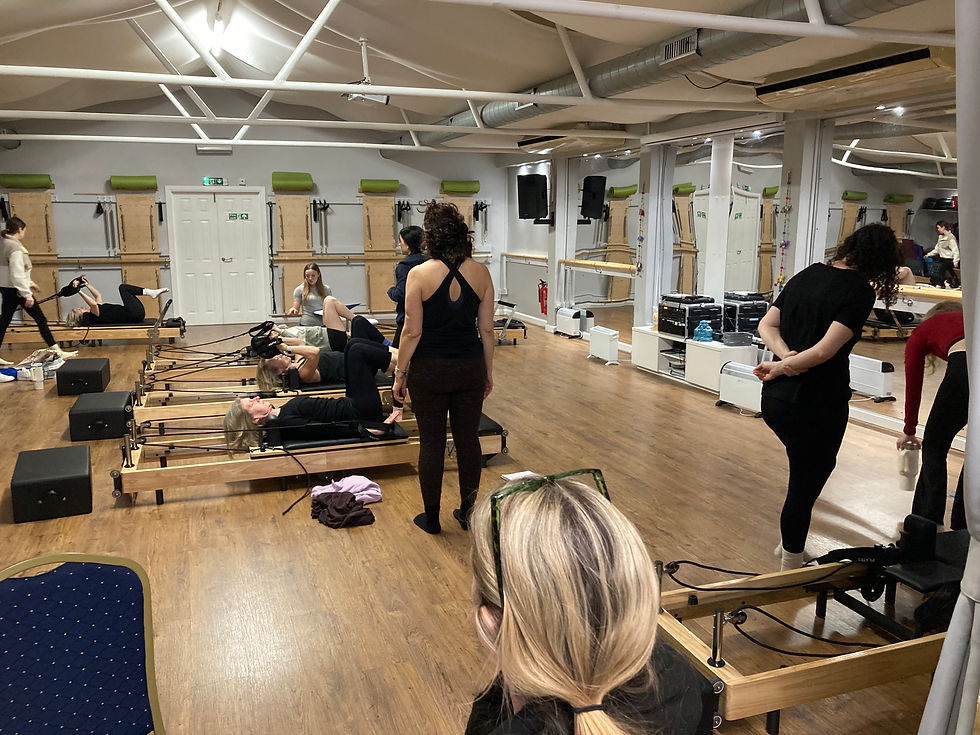
The Essential Steps
Now, let’s break down the path to becoming a Pilates teacher into clear, manageable steps. This way, you can feel confident and motivated as you move forward.
1. Develop a strong personal practice
The first step is to deepen your own Pilates practice. Spend time exploring different Pilates methods and equipment. This hands-on experience is crucial because it helps you understand the movements from the inside out. It also builds your confidence and passion, which will shine through when you teach.
Try to attend a variety of classes, including Matwork, Reformer and Tower. Notice how each class feels and what makes it effective. This personal insight will be invaluable when you start teaching others.
2. Choose a reputable training provider
Once you feel ready, the next step is to find a quality Pilates teacher training course. Look for training providers that are comprehensive and accredited by recognised Awarding organisations such as the YMCA or ActiveIQ. A good course will cover:
Pilates principles and history
Anatomy and biomechanics
Teaching techniques and class planning
Practical teaching experience
Safety and injury prevention
Many training providers offer flexible options, including part-time and online courses, which can fit around your schedule.
3. How long does it take to qualify as a Pilates teacher?
The time it takes to become a certified Pilates instructor can vary depending on the course and your availability. Typically, courses last anywhere from 3 months to a year. Some intensive courses may be shorter but require full-time commitment.
During this period, you’ll complete both theoretical and practical assessments. It’s important to pace yourself and absorb the material fully. Remember, becoming a great teacher is about quality, not speed, so a quick short, cheaper course is not always the best choice in the long run.

4. Gain practical teaching experience
After or during your training, start gaining real-world teaching experience. This could be through internships, assisting experienced teachers, or teaching beginner classes. Practical experience helps you apply what you’ve learned and develop your own teaching style.
Don’t be afraid to ask for feedback and reflect on each session. Every class is a chance to improve and connect with your students.
5. Register and maintain your certification
Once you’ve completed your training and passed the assessments, you’ll receive your certification. Many Pilates organisations require you to register as a professional teacher. This often involves:
Paying a registration fee
Committing to ongoing education
Following a code of ethics
Continuing professional development is essential. Pilates is always evolving, and staying updated ensures you provide the best experience for your clients.
6. Build your teaching career
With your certification in hand, you can start teaching Pilates classes in studios, gyms, or even online. Consider specialising in areas like rehabilitation exercise or pre and post natal Pilates to reach a wider audience. Building a loyal client base takes time, so be patient and consistent.
Networking with other fitness professionals and joining Pilates communities can open doors to new opportunities. Remember, your passion and dedication will inspire others to move better and feel better.
Tips for success on Your Pilates teaching journey
Stay curious: Keep learning about anatomy, movement, and teaching methods.
Practice self-care: Teaching Pilates is rewarding but can be physically demanding. Take care of your own body.
Be patient: Growth takes time. Celebrate small wins along the way.
Connect with your students: Building trust and understanding their needs makes your teaching more effective.
Embrace feedback: Constructive criticism helps you become a better teacher.
If you’re ready to explore the next step, you might find it helpful to check out resources on how to become a pilates teacher for detailed guidance and support.
Embracing the role of a Pilates Teacher
Becoming a Pilates teacher is a journey of transformation - not just for your students, but for you as well. You’ll develop new skills, deepen your understanding of the body, and find joy in helping others improve their movement and wellbeing.
At Green Pilates, we believe in nurturing this journey with care and expertise. Whether you’re interested in Matwork, group reformer classes, or rehabilitation exercises, there’s a place for you to learn, connect and thrive.
Remember, every great teacher started with a single step. Your passion and commitment can make a real difference in people’s lives. So take that step today, and enjoy the rewarding path of becoming a certified Pilates teacher.

Thank you for joining me on this guide. I hope it has given you clarity and encouragement to pursue your Pilates teaching dreams. Here’s to moving better, feeling better, and inspiring others to do the same!


Comments